If you are selling in Rollingwood, it is easy to assume the market will do all the work for you. Inventory is tight, demand is real, and homes here draw serious attention, but that does not mean every listing will automatically command the best possible price. In today’s market, the sellers who tend to win are the ones who pair scarcity with smart preparation, disciplined pricing, and a polished launch. Let’s dive in.
Why Rollingwood Still Stands Out
Rollingwood remains one of the most recognized close-in markets in the Austin area. The City of Rollingwood describes it as a small community of just over 1,500 residents with walkable streets and proximity to Zilker Park, which helps explain why inventory stays so limited.
That scarcity is showing up across public market data. As of March 31, 2026, Zillow reported just 6 homes for sale and an average home value of $2.31 million, while Realtor.com showed 7 active listings and a median list price of $2,699,500. Redfin also reflected a very thin market, with only 2 homes sold in March 2026.
Still, it is important to look beyond the headline that inventory is low. According to the Texas Real Estate Research Center, the broader Austin and Texas markets have softened from the pandemic-era peak, with longer market times, more active inventory, and more frequent price cuts. For you as a seller, that means Rollingwood’s location and scarcity help, but your results still depend on pricing, presentation, and timing.
Price for Leverage, Not Hope
One of the biggest mistakes sellers make in a hot micro-market is treating low inventory like a blank check. Buyers may have limited options in Rollingwood, but they are still comparing condition, lot appeal, layout, and pricing against nearby alternatives and overall Austin market trends.
The broader market data matters here. TRERC reported that Texas homes averaged 80 days on market statewide, Austin prices were down roughly 2% to 3% year over year, and median seller price cuts reached $35,000 in Austin. That is a strong reminder that even in a desirable area, overpricing can cost you momentum.
A strong pricing strategy should aim to create urgency when your home hits the market. The goal is not simply to list high and negotiate down. The goal is to enter the market in a way that attracts qualified buyers quickly, protects your leverage, and reduces the chance of lingering long enough to invite price reductions.
Prep the Home Buyers Notice First
If you want to maximize your sale, start with the updates buyers can actually see and feel. Most sellers do not need a full renovation before listing. In many cases, smaller visible improvements deliver a better return than expensive, time-consuming projects.
According to NAR’s 2025 staging report, the most common seller recommendations are decluttering, deep cleaning, and improving curb appeal. Those basics matter because they shape first impressions before a buyer has time to appreciate square footage or finish quality.
NAR’s 2025 remodeling guidance also points toward targeted upgrades rather than major overhauls. Its resale-focused summary highlights projects like a new steel front door, closet renovation, new fiberglass front door, new vinyl windows, and smaller kitchen or bathroom improvements as stronger payoff categories than a full-house remodel. That supports a practical seller mindset: improve what feels dated, worn, or distracting, but avoid overspending where buyers may not reward you.
Smart pre-listing updates
Before you list, focus first on items like:
- Fresh interior paint
- Deep cleaning and decluttering
- Landscaping cleanup and mulch refresh
- Updated lighting and cabinet hardware
- Minor plumbing or fixture replacements
- Front door and entry improvements
- Repairs that may raise concerns during showings or inspections
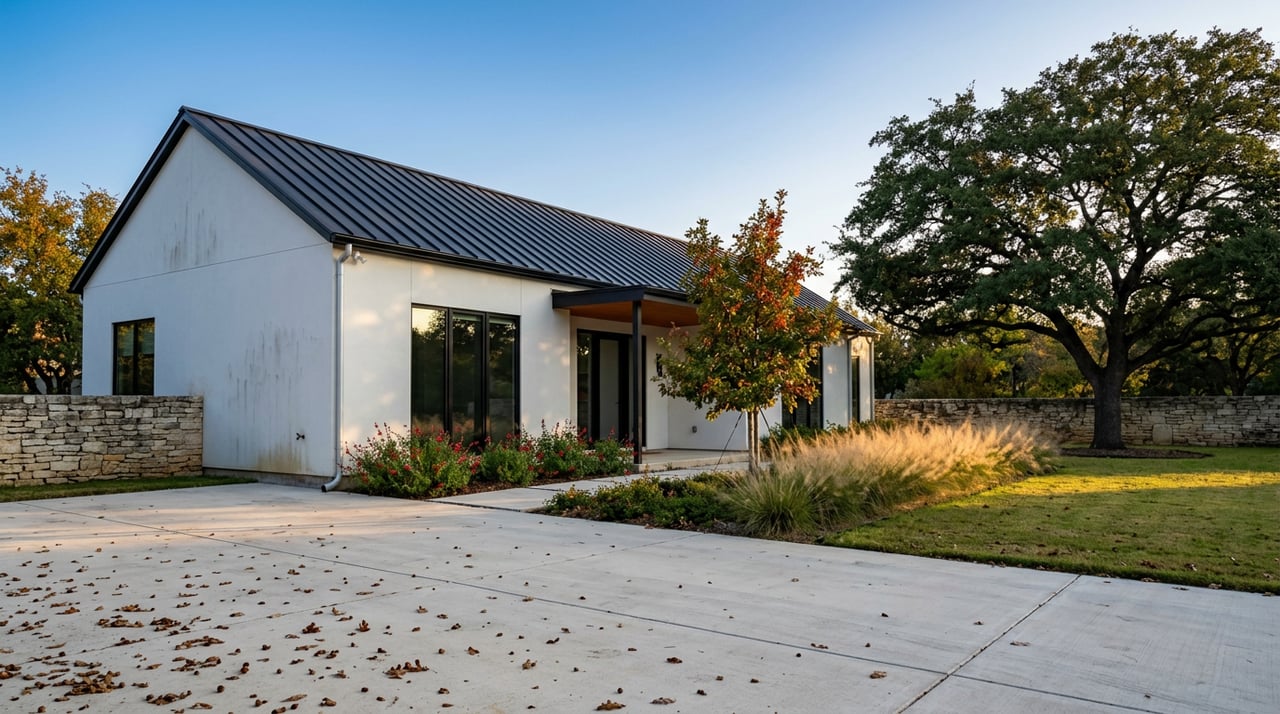
In Rollingwood, curb appeal carries extra weight because the community is known for its walkable setting and polished streetscape. Buyers are often forming an impression before they ever step through the front door.
Stage the Rooms That Matter Most
Staging is often one of the clearest pre-sale investments you can make. It helps buyers understand scale, flow, and lifestyle, especially in luxury price points where expectations are high.
The NAR 2025 report found that 83% of buyers’ agents said staging made it easier for buyers to visualize a property as their future home. It also found that 29% said staging increased the dollar value offered by 1% to 10%, while 49% of sellers’ agents said staging reduced time on market.
That does not mean you need to stage every room. The same report found that the most commonly staged spaces were the living room, primary bedroom, dining room, and kitchen. If you are prioritizing budget, those are usually the first places to focus.
What staging can do for your sale
A well-staged home can help you:
- Make rooms feel larger and more functional
- Highlight architectural features and natural light
- Create a cleaner, more current first impression
- Reduce visual distractions from personal belongings
- Support stronger photos and online marketing
NAR also reported a median staging service cost of $1,500, which helps frame staging as a targeted marketing expense rather than a major renovation decision.
Time Landscaping Around Oak Wilt Rules
In Rollingwood, timing is not just about buyer demand. It can also affect what prep work you are allowed to complete before launch.
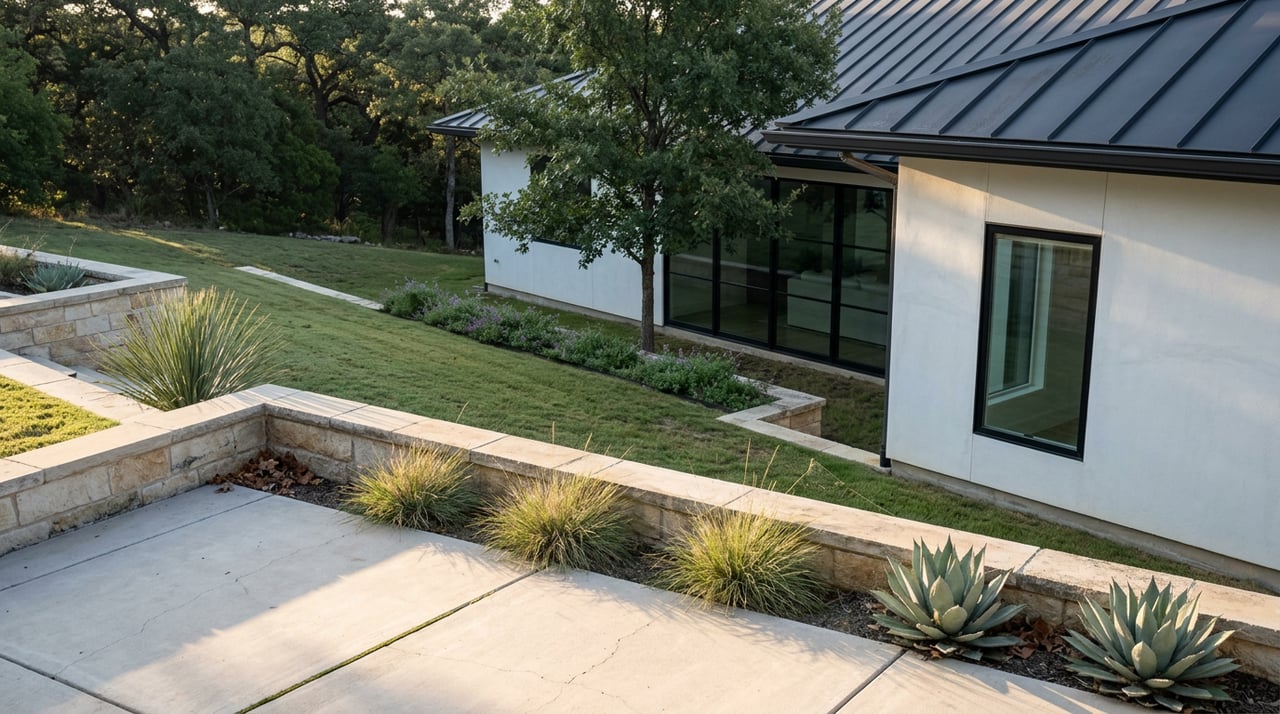
The City of Rollingwood currently prohibits oak trimming from February 1 through June 30 to help prevent oak wilt. If your sale plan includes tree work or landscaping that affects curb appeal, it is wise to map that out early so your listing timeline is not disrupted.
This is one of those details that can affect both presentation and scheduling. If your exterior needs attention, planning ahead gives you more flexibility and helps avoid a rushed launch.
Choose the Right Launch Strategy
Not every Rollingwood home should hit the market the exact same way. If your home needs a little more prep, if privacy matters, or if you want early pricing feedback, a phased launch can make sense. The key is using that strategy intentionally, not as a substitute for going fully market-ready.
Compass offers several listing paths that can support this process. A Compass Private Exclusive allows a home to be shared within Compass’s agent network and with serious buyers before it appears publicly, which can be useful while work is still being completed or when discretion matters.
Compass also states that its 2024 pre-marketed listings were associated with a 2.9% higher closing price, 20% faster time to contract, and a 30% lower likelihood of a price drop, though Compass notes those findings are internal, descriptive, and not guaranteed. Used carefully, this kind of pre-marketing can help you gather feedback and fine-tune price or presentation.
Private Exclusive vs. Coming Soon vs. MLS
Here is a simple way to think about your options:
| Launch option | Best use case | Main advantage | Main tradeoff |
|---|---|---|---|
| Private Exclusive | Home is still being prepared or privacy matters | Quiet exposure and pricing feedback | Fewer buyers see it initially |
| Coming Soon | Prep is nearly done and marketing is building | Public visibility without public days on market | Still not the broadest exposure |
| Full MLS launch | Home is fully ready | Maximum exposure and strongest demand test | Requires full readiness on day one |
Compass says its Coming Soon phase is designed to reach a broad audience on Compass.com and Redfin.com while avoiding public days on market and price-drop history. At the same time, Compass also discloses that not listing on the MLS right away can reduce potential buyers, showings, offers, and possibly final sale price.
That is why the best approach is usually a short, purposeful runway. If your goal is maximum net proceeds, the finish line is typically a strong full MLS launch once pricing, prep, photography, and showing logistics are ready.
Renovate Selectively, Not Emotionally
Many sellers ask whether they should renovate before listing. In most cases, the answer is yes, but only in specific places where the market is likely to notice the improvement and reward it.
That usually means cosmetic refreshes, minor repairs, and select exterior upgrades rather than a sweeping remodel. Buyers tend to respond to homes that feel clean, maintained, bright, and easy to move into. They are less likely to pay a premium for highly personalized upgrades that took a large budget to complete.
If you are deciding where to spend, think in this order:
- Repair anything that creates doubt.
- Improve the first impression outside.
- Refresh the most visible interior finishes.
- Stage the most influential rooms.
- Launch only when the home is photo-ready and showing-ready.
For high-value homes, this kind of value engineering can protect your budget while helping the property compete at a higher level.
Build a Plan Around Net Proceeds
A successful Rollingwood sale is not just about the highest list price or even the highest contract price. It is about your net result after prep costs, timing, negotiation, and the risk of price reductions.
That is where local market knowledge and construction awareness can make a real difference. If you can identify the updates that matter, skip the ones that do not, and choose the right launch path for your situation, you put yourself in a much stronger position.
In a market as limited and high-profile as Rollingwood, details matter. The homes that stand out are usually the ones that feel intentional from day one, with a pricing plan, prep strategy, and marketing rollout that all support the same goal: maximizing your sale without wasting time or money.
If you are thinking about selling in Rollingwood, working with a team that understands both neighborhood-level demand and renovation-minded prep can help you make smarter decisions before your home ever goes live. Connect with Alisa Wells and Jenny Walker to build a launch strategy designed around your home, your timing, and your net goals.
FAQs
Should I renovate before listing a home in Rollingwood?
- Usually, selective updates make more sense than a full remodel. Research supports focusing on cosmetic improvements, small functional fixes, and visible exterior upgrades that buyers notice quickly.
Is staging worth it for a Rollingwood home sale?
- Often, yes. NAR reported that staging helps buyers visualize the home, can support stronger offers, and may reduce time on market.
Which rooms should I stage first when selling in Rollingwood?
- Start with the living room, primary bedroom, kitchen, and dining room. Those were the most commonly staged rooms in NAR’s 2025 report.
Should I use Private Exclusive or Coming Soon before listing on the MLS in Rollingwood?
- Those options can work well if your home is not fully ready, privacy matters, or you want early pricing feedback. If your goal is maximum exposure, the off-MLS phase is usually best kept short and intentional.
What market conditions should Rollingwood sellers pay attention to right now?
- Rollingwood still has very limited inventory, but the broader Austin market has cooled compared with peak conditions. That means pricing discipline and polished presentation matter more than assuming every listing will attract a bidding war.
Does Rollingwood have any landscaping timing rules that affect listing prep?
- Yes. The city currently prohibits oak trimming from February 1 through June 30 to help prevent oak wilt, so exterior prep should be scheduled with that timing in mind.