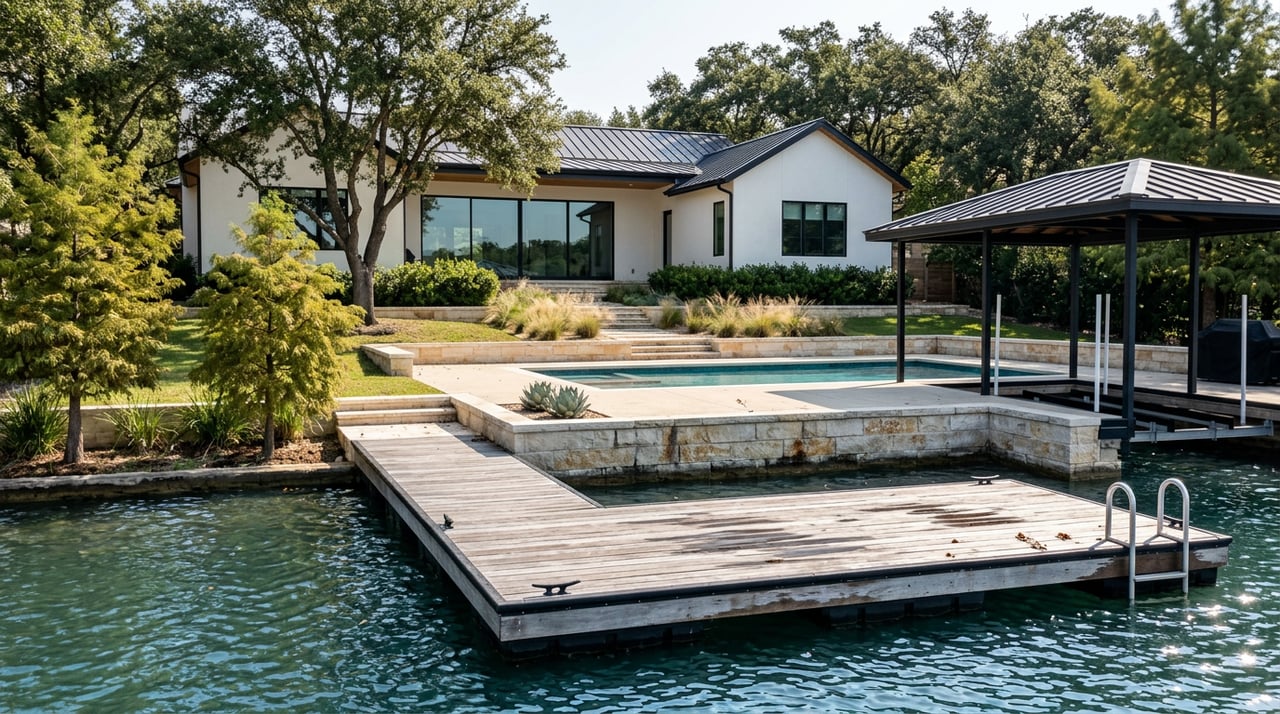
If you love the idea of coffee on the dock, sunset views over the water, and quick access to the boat, Lake Austin living is hard to beat. The choices can feel complex though. Should you prioritize a private dock, a sweeping view lot, a shared-slip community, or an off‑water home near the action? In this guide, you’ll learn how each home type lives day to day, what permits and rules shape your options, and the key costs to plan for so you can buy with confidence. Let’s dive in.
Lake Austin home types at a glance
Primary waterfront with a private dock
You live right on the shoreline with a personal dock or boathouse. On Lake Austin, docks are permitted and registered by the City of Austin. A permitted dock makes boating effortless and adds lifestyle value.
- Lifestyle: step-to-boat access, swimming off the dock, easy hosting on the water.
- Key tradeoffs: higher maintenance and insurance exposure, more activity near the shoreline, and strict permitting rules. The Lower Colorado River Authority (LCRA) also publishes safety guidance that informs best practices. Review the City’s rules for docks and registration through the City of Austin boat dock rules and refer to LCRA’s dock safety standards for broader context.
- Best fit: frequent boaters and multi‑boat households who value maximum convenience and are prepared to budget for upkeep.
Elevated view lots without direct dock access
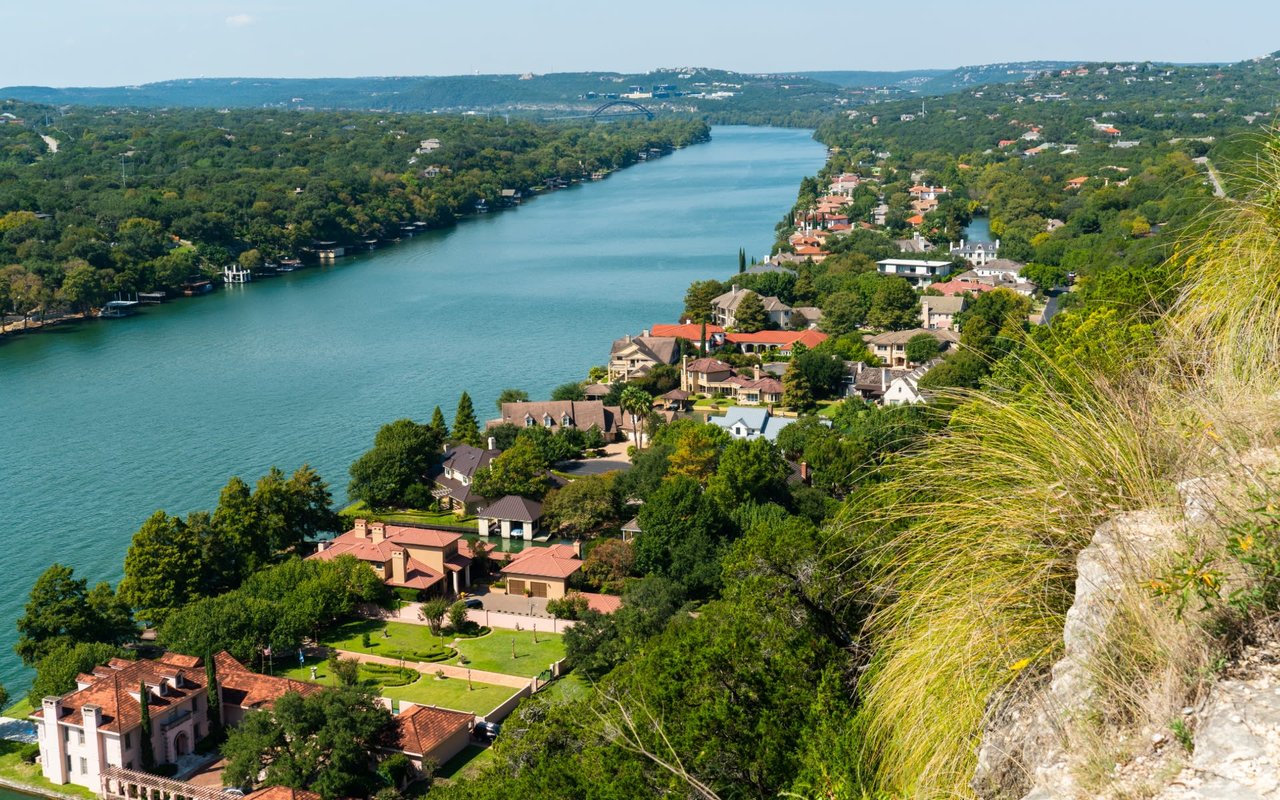
You are sited above the water with panoramic views. You enjoy privacy and generally lower flood exposure, but you will trailer or keep a boat elsewhere.
- Lifestyle: big views, indoor/outdoor living, less shoreline maintenance.
- Key tradeoffs: less spontaneous boat time and, if you try to add a dock later, a full City review process will likely apply. Learn more about permitting paths through the City of Austin boat dock rules.
- Best fit: buyers who prioritize views and privacy over door‑to‑dock access.
Shared-access or community docks
In some neighborhoods or condo communities, the HOA controls shoreline access and provides shared slips. Rules cover slip assignments, storage, guest use, and maintenance.
- Lifestyle: lower personal maintenance with reliable water access.
- Key tradeoffs: limited slip availability and HOA rules you must follow. Special assessments can occur for dock or seawall work.
- Best fit: cost‑conscious or occasional boaters who want access without full dock responsibility.
Off‑water homes near the lake
You live a short walk or drive from Lake Austin without owning shoreline. You use public ramps, marinas, or friends’ docks.
- Lifestyle: lake neighborhood feel, restaurants and trails nearby, fewer lake‑specific maintenance items.
- Key tradeoffs: no private mooring and a price gap relative to true waterfront in the same area. In Westlake, demand is also influenced by school zoning, with Eanes ISD district information often part of buyers’ research.
- Best fit: buyers who want the lifestyle at a lower cost and with less maintenance.
Permits and rules that shape your options
Who permits what on Lake Austin
Lake Austin has overlapping jurisdictions, but one rule is simple. For Lake Austin specifically, the City of Austin is the permitting and enforcement authority for docks and shoreline work. Start with the City of Austin boat dock rules for site plans, building permits, inspections, and dock registration requirements. LCRA manages many Highland Lakes policies and safety standards and is a useful reference, especially when questions about submerged land or regional rules arise. See LCRA’s overview for docks and marinas in the Highland Lakes system at LCRA docks and marinas.
Typical dock permit and registration records to verify
Before you make an offer, or during your option period, ask the seller for:
- City site plan or exemption, building permits, and final approvals.
- Current dock registration and the most recent lake inspection results.
- As‑built drawings and any electrical or lift permits.
- Written rights or permissions if the dock extends over submerged land you do not own.
You can confirm these items with the City using the process outlined on the City of Austin boat dock rules.
Environmental overlays and shoreline work
Shoreline clearing, bulkheads, and retaining walls are regulated. The City’s Land Development Code includes protections that can affect feasibility, timelines, and restoration requirements. Review the Lake Austin overlay and water quality protections in the Austin Land Development Code.
Boating access and day‑to‑day logistics
- Mooring and lifts: A permitted private dock offers the quickest access. Permit conditions control covered slips, electrical service, and lift types. Confirm details in the City’s rules.
- Trailering and ramps: Elevated or off‑water owners often use public ramps or marinas. After major storms or high flows, agencies may close ramps or limit hours. Check current lake notices at LCRA water updates.
- Shared slips: Read HOA documents closely. An access easement does not always allow structures or overnight docking. Budget time to confirm the exact rights that run with the property.
Maintenance, flood, and insurance realities
Dock and shoreline upkeep
Docks need periodic inspections of pilings, anchors, flotation, and electrical systems. Flood events can damage structures and demand repairs. LCRA outlines safety expectations and responsibilities for dock owners in its dock safety standards. Replacement or upgrades may trigger new City permits.
Flood zones and insurance
If a financed home sits in a Special Flood Hazard Area, lenders usually require flood insurance. Even outside mapped zones, some lakefront owners choose coverage because heavy rains and upstream releases can raise water levels. Check current maps at the FEMA Flood Map Service Center and learn about coverage and elevation certificates at FloodSmart.
Water quality and invasive species
State and local programs monitor zebra mussels and seasonal algae. Follow clean, drain, and dry guidance when moving boats between water bodies, and ask sellers or HOAs about any recent advisories. For lake conditions and stewardship tips, visit TPWD’s Lake Austin page.
Which home type matches you
- Boating enthusiast: Primary waterfront with a permitted dock and lift. You plan frequent outings and accept higher maintenance.
- Privacy and view seeker: Elevated lot with panoramic views. You trailer or keep a marina slip when needed.
- Cost‑conscious boater: Shared dock or community marina access. You accept rules and scheduling in exchange for lower costs.
- Lake‑neighborhood fan: Off‑water home near restaurants and trails. You enjoy the vibe without shoreline responsibility.
Quick buyer checklist
- Verify permits and registration: Request the site plan or exemption, building permits, final approvals, and current dock registration. Confirm with the City using the City of Austin boat dock rules.
- Order a current survey: Ensure the shoreline and high‑water reference are shown. Ask a title professional to clarify any submerged‑land ownership or permissions if needed.
- Inspect the dock and shoreline: Hire a dock contractor to evaluate structure, anchors, floats, electrical, and shoreline stabilization. Get written estimates.
- Check flood exposure and insurance: Pull maps at the FEMA Flood Map Service Center and discuss quotes and elevation data with your insurance agent through FloodSmart.
- Review HOA rules: Confirm slip assignments, guest policies, storage limits, maintenance reserves, and any history of special assessments.
- Budget and negotiate: Use inspection and permit findings to calibrate your offer, credits, or required repairs before closing.
Ready to narrow your focus to the right property type and avoid surprises on permits, docks, and flood risk? Let’s talk about your goals, timing, and budget so you can move forward with clarity. Reach out to Jenny Walker for a tailored Lake Austin plan.
FAQs
Are private docks on Lake Austin always legal if they exist on a listing?
- No. Ask for City of Austin permit files, registration, and inspection records, then verify with the City. A dock can be noncompliant even if it looks complete.
Who handles dock permits on Lake Austin and what is LCRA’s role?
- The City of Austin permits and enforces dock rules on Lake Austin. LCRA publishes broader Highland Lakes safety standards and guidance that provide helpful context.
Can I add a boathouse or covered slip later on a view lot?
- Possibly, but it depends on site conditions, code, and permits. The City will require a review, and some structures are restricted. Start with the City’s dock rules.
What are the main tradeoffs between a private dock and a shared community dock?
- Private docks offer maximum convenience with higher costs and responsibilities. Shared docks lower your burden but limit slip access and add HOA rules.
Do Lake Austin homes require flood insurance?
- If the home is in a mapped Special Flood Hazard Area, lenders usually require it. Many owners outside mapped zones choose coverage as an added precaution.