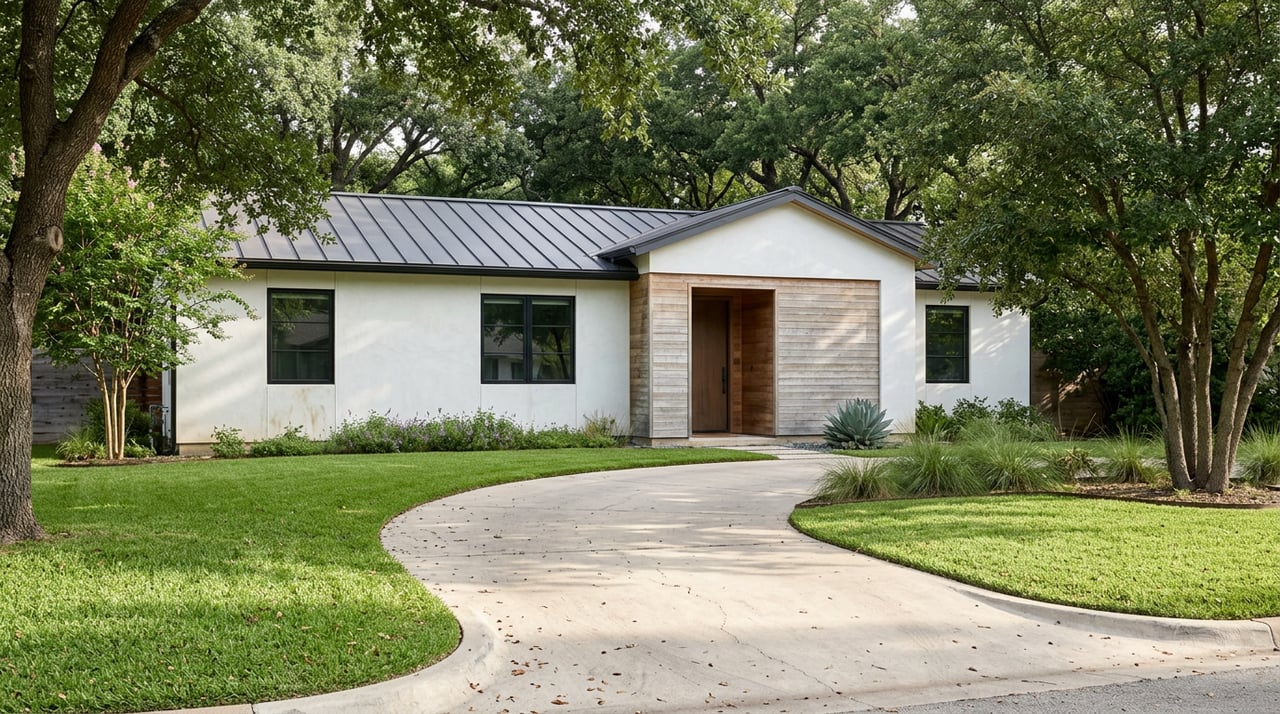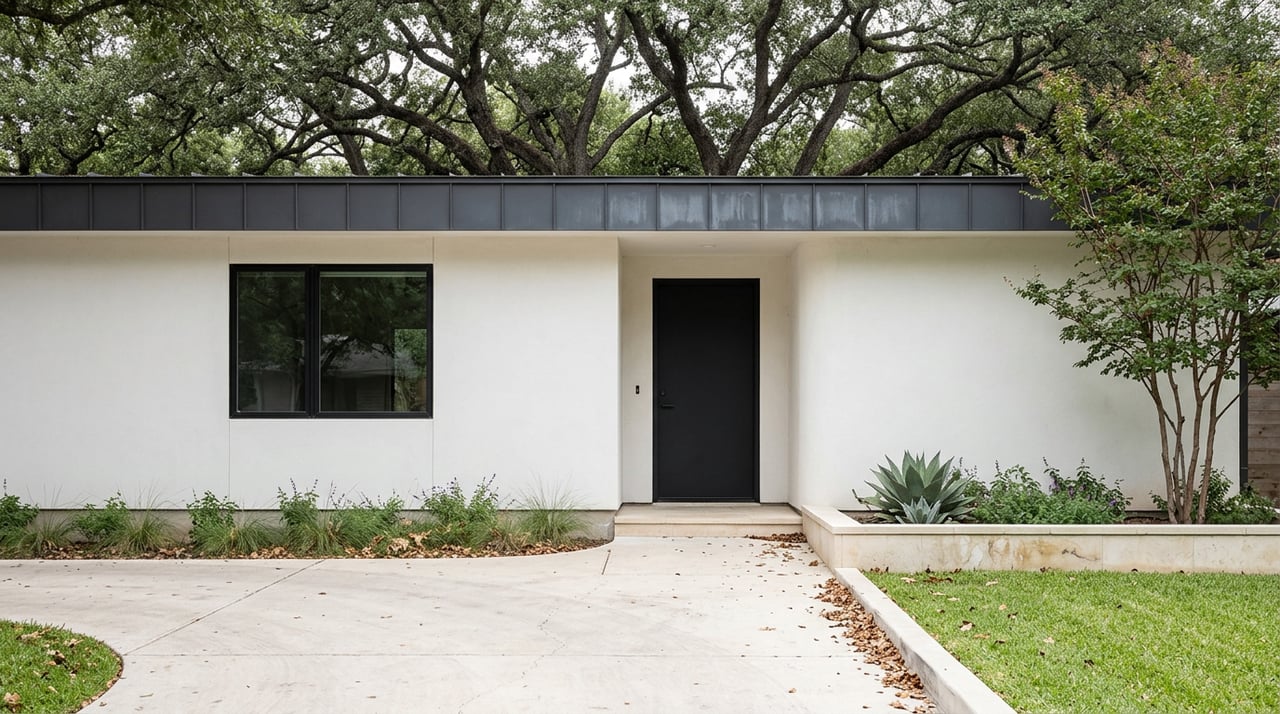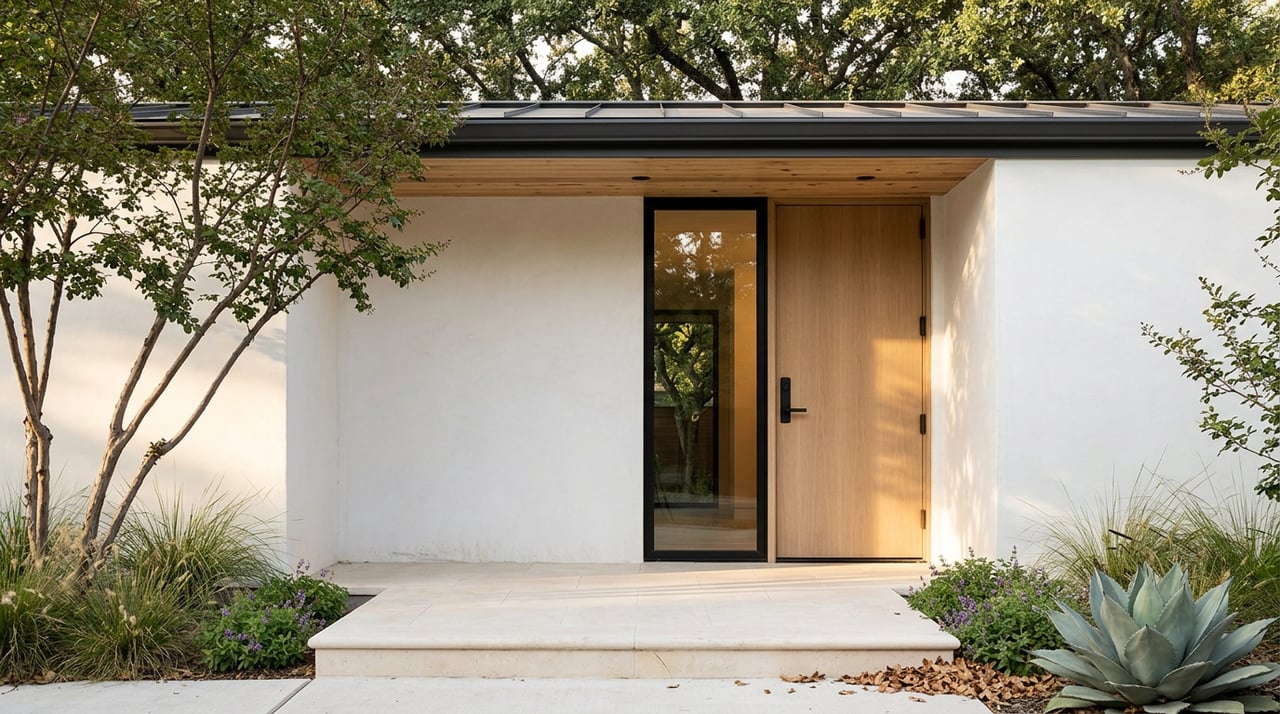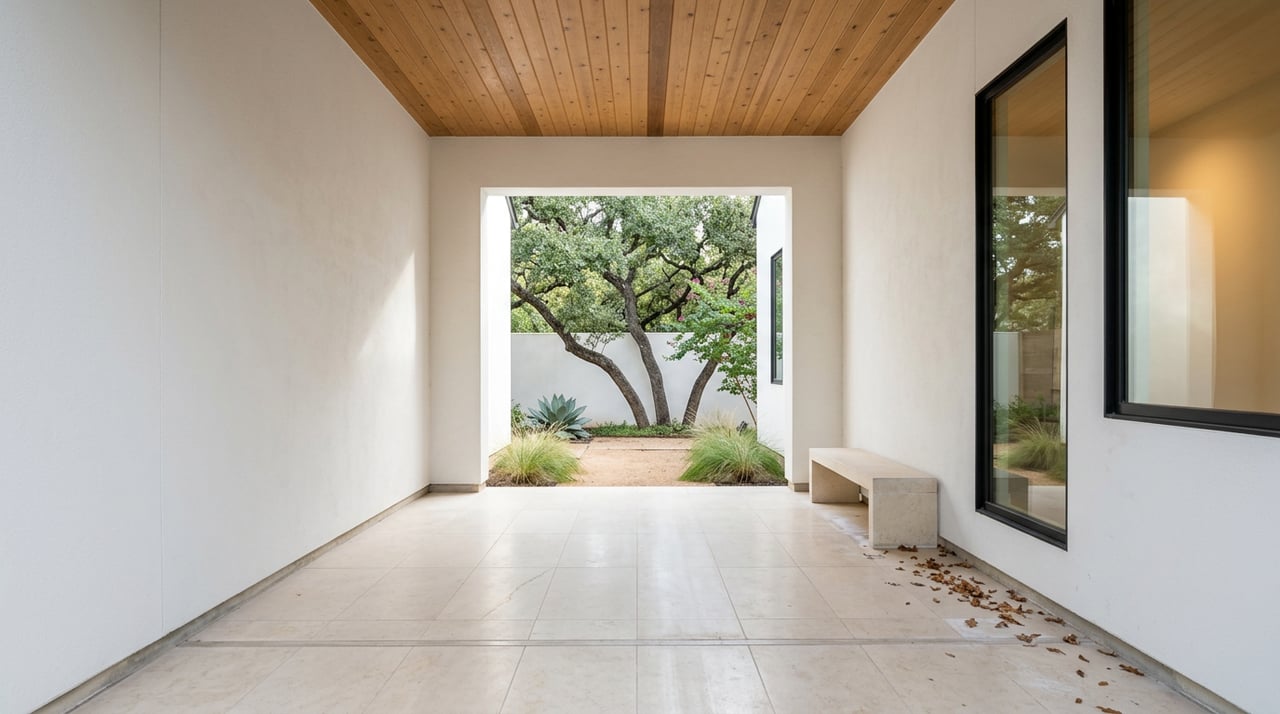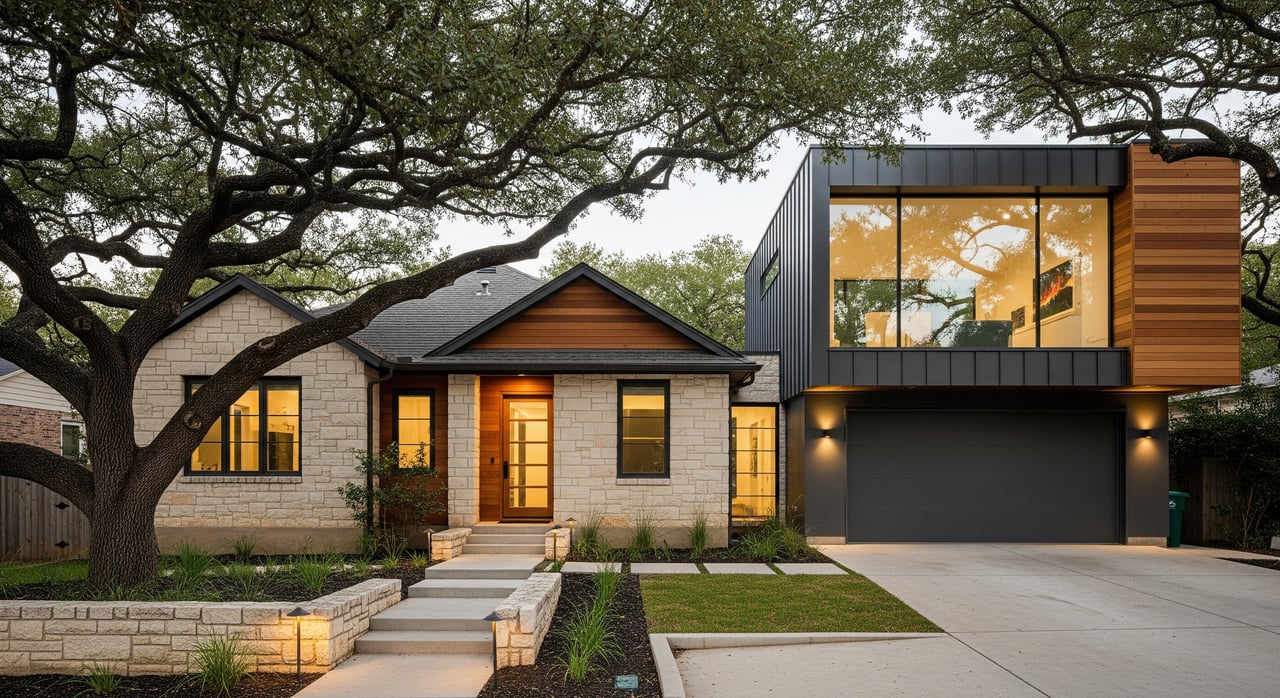
Thinking about taking your Westwood home to the next level but unsure whether to renovate or build new? It is a big decision, and in unincorporated Travis County the path you choose can affect cost, timing, permits, utilities, and long-term value. You want a clear plan that avoids surprises and supports your lifestyle. In this guide, you will learn the key differences, what to check in Westwood specifically, and a simple framework to decide with confidence. Let’s dive in.
Renovate vs new build at a glance
Cost realities in Westwood
Renovation often starts with lower hard costs because you keep the existing structure and site. That said, hidden issues like foundation movement, pests, outdated electrical or plumbing, and moisture problems can push expenses higher. Large “gut” projects can approach the cost of new construction and sometimes a remodel can turn into a more complicated and more expensive project than it would have been to build new. In remodeling, it is very challenging to determine costs upfront, and there can be many unknowns that occur along the way. The number one thing we look at to determine if the house is a good remodel candidate or if it would be best to start over.
New construction adds lot preparation, time, utility hookups or extensions, and builder overhead but at the end of the day one can better choose exact layout and design of the house. The best approach is to research both options and get local bids and opinions from reputable contractors and builders that know the area before you choose. If a house has a bad layout or is in very bad shape it might be best to tear and down and start over.
Timeline expectations
Cosmetic updates like paint, floors, and a kitchen refresh can take weeks to a few months. Major remodels that rework the layout or add square footage often run 3 to 12 months or more, depending on scope.
A custom new home on an existing lot typically takes 12 to 24 months from lot purchase to completion. Just the planning process can be 6-12 months alone. If the lot needs septic installation, utility extensions, or significant grading and drainage work, plan for 12 to 24 months.
Permitting and approvals
Westwood sits in unincorporated Travis County for many parcels, so building permits and inspections run through county authorities. Some properties may fall within a city’s extraterritorial jurisdiction, which can change which rules apply. Renovation permits for interior updates are usually simpler than a full new build, but additions and structural changes still trigger more review and permits. The biggest ones are the development, driveway, and septic permits.
If you plan a new build, expect more review steps, Travis county can take a long time for review. Check for deed restrictions, subdivision rules, and any special district requirements that affect height, setbacks, exterior materials, or utility connections. The biggest deciding factor on how big of a house one can build on a lot in Westwood is the size of the lot and the type of soil as determined by the septic designer. On average the lots in Westwood are around 1/3 of an acre and can support a 4500 square foot home with a 2 car garage. A bigger house than 4500ft or a 3 car garage are a commodity in Westwood since they are not the norm.
Fire Department, in-home Sprinklers and fire hydrants
Westwood is located in Travis County Services District 9. Here is the link to the Westlake Fire Department: WL Fire Dept. When building a new home in Westwood the very first thing a buyer will want to do is see if the fire department has a test done on the nearest fire hydrant and if the pressure passes for the house. If there is not a current test then the buyer will need to pay the fire department to do one. The water district and the fire department work together on this aspect of the build and you will need approval by both. Keep in mind you will also need to put a fire suppression system in the house aka an interior fire sprinkler. The fire department will inspect the sprinkler throughout the build process and it must pass. They will also inspect the house for some safety code compliance and fire safety.
Jenny had a built a house MANY years ago in Rob Roy with a low-pressure fire hydrant. It was unforeseen since she did not reach out to the fire department BEFORE she bought the house, but once she discovered that the flow was low and could not support the house in a fire, the build got a lot more challenging. She had to work with the fire department to build a more "fire-rated" house.
Here is a live map of what streets are located in Water District 10: Water District #10
Utilities and site work
Water and sewer in unincorporated Travis County vary by parcel. Some homes connect to public sewer, while others use require an on-site septic system. If sewer is not available, you will need a septic feasibility review and permits under on-site sewage facility rules.
Electric service is provided by Austin Energy Westwood. Natural gas can be Atmos or another provider. For new builds, upgrading service capacity or extending lines can add cost and time. Plan for driveway or culvert requirements if you connect to a county road, plus grading and drainage compliance.
Resale and lifestyle tradeoffs
New construction often earns a premium for modern layouts, energy efficiency, and warranties when finishes match what local buyers want. Renovation can be a smart way to preserve location advantages like mature trees and a quiet street while targeting high-impact updates. In the Austin area, buyers tend to favor functional floor plans, updated kitchens and baths, an adequate primary suite, energy efficiency, and outdoor living. Quality of work and fit with neighborhood comparables drive long-term value.
Westwood-specific factors to check
Jurisdiction and deed restrictions
Most of the lots in Westwood are only in Travis County jurisdiction and aren't in a city. Rules really differ if the lot is in a city. Even without city zoning, recorded deed restrictions or covenants still apply and may limit setbacks, height, exterior materials, or building type. Review plat notes as well. Most find it much simpler to build a new house and remodel in Westwood due to the fact that there is not a City of Austin overlay.
At the end of Bulian and Westbrook Dr. where the lots get bigger this turns into City of West Lake Hills and the rules fre very different for new construction and remodeling.
Water, sewer, and septic feasibility
Identify the water and wastewater provider. If sewer is not available, plan for a septic feasibility test and permitting. Site layout must accommodate a drain field, and soils can affect design and cost. If sewer is available but the line is not at your lot, factor in connection fees.
Power, gas, and internet
Here are the utility providers for Westwood. If you are building new, you will have to coordinate with each provider to connect services to the new house.
Water: Water District 10
Gas: Texas Gas Service
Power: Austin Energy
Sewer: Septic system on individual lot. For new construction the homeowner/builder will need to hire a septic designer to design the septic for the potential house. This will need to be permitted and approved through Travis County.
Here is more information on Septic Systems in Travis County.
Access, drainage, and floodplain
If your property connects to a county road, you may need a driveway permit and a culvert sized to county standards. Westwood parcels must meet grading and drainage rules. Building near a creek or within mapped floodplain triggers additional requirements. Address drainage early so you can avoid rework and delays.
Trees, soils, and topography
Large oaks are common and may influence your design, utilities, and foundation footprint. The good news that is in Westwood as of 2026 there is not a tree ordinance in place. You can take whatever trees you want BUT it is best to try to save as many good trees as you can. Oaks are common in the area and can add to the beauty of the house. It is best to build around them if at all possible. Also, soils or geotechnical report are recommended for new foundations and major additions to identify clay, bedrock, and bearing capacity. On sloped or uneven lots, expect retaining walls and drainage planning to guide the budget.
Taxes and special districts
Substantial improvements or a new build will increase your appraised value and property taxes. If your parcel is in a municipal utility district or other special district, review any additional assessments. Model the tax impact before you commit to scope.
A simple decision framework
Step A — Confirm location and rules
- Verify your parcel’s jurisdiction with Travis County.
- Reach out to the Water District to be sure the fire hydrant support the build or remodel project
Step B — Confirm services and constraints
- Water and sewer: get recent utility bills from the seller and confirm sewer availability. If none, test septic feasibility.
- Electric, gas, internet: confirm providers, capacity, and line extension requirements.
- Floodplain and drainage: review flood maps and site drainage patterns.
- Deed restrictions and HOA: obtain recorded covenants, plat notes, and rules.
Step C — Inspect the home if renovating
- Order a licensed home inspection focused on roof, structure, envelope, plumbing, and electrical.
- Add specialized reviews if needed, such as a structural engineer or HVAC. If older, consider checks for asbestos or lead.
- Request detailed contractor bids with a 10 to 20 percent contingency for unknowns.
Step D — Get feasibility pricing for both paths
- Renovation: get 2 to 3 GC bids for your defined scope, from cosmetic to structural.
- New build: request builder or design-build estimates that include lot prep, utility work, driveway or culvert, retaining walls, landscaping, and potential offsite work. Order a soils report if grading is likely.
Step E — Verify permits and timeline
- Contact Travis County Development Services to confirm review steps and typical timing for the permits you need.
- For septic, confirm OSSF testing and approval timelines.
- Ask utility providers about engineering requirements, easements, and lead times for line extensions or capacity upgrades.
Step F — Confirm financing and tax impact
- Renovation: consider cash, a HELOC, or rehab mortgages if eligible.
- New construction: explore construction-to-perm loans or lot plus build options.
- Discuss likely reassessment after improvements with your lender and local tax office.
Which path fits your goals
Renovate if you value speed and location
Choose renovation when you want to keep your Westwood street, trees, and established setting, and your plan focuses on targeted improvements. Kitchens, baths, layout tweaks, and exterior curb appeal often deliver strong ROI. Renovation also keeps your utility setup and driveway mostly intact, which can reduce unknowns.
Build new if you want a clean slate
If you want a modern floor plan, greater energy efficiency, and full control of systems, a new build delivers a tailored result. Allow more time for permitting, design, utility coordination, and site work. A new home may command a premium on resale when it aligns with current buyer preferences and comparable sales. A new build can be very worth the wait if you have the budget to do so.
Balance time, cost, and disruption
Living through a remodel can be disruptive, especially for families. A new build may let you stay put until move-in. Weigh cost per square foot against time to market, the complexity of your site, and your tolerance for construction around daily life.
Sample timelines to plan around
- Renovation, smaller scope: 1 to 6 months, and it may not require a permit if you are not adding on to the home.
- Renovation, major scope adding on square footage: 3 to 12 months or more, and you may need to design and build a new septic system.
- New build, prepared lot with utilities: 12 to 24 months after permits.
Next steps for Westwood buyers
- Talk to builders that know and have built in the area. Confirm your jurisdiction you are in Travis County and no city overlay.
- Identify your water, sewer, electric, gas, and internet providers and confirm capacity.
- If renovating, complete inspections and request contractor bids with contingency.
- If building new, request builder estimates that include site prep, utilities, and offsite work, plus a soils report if needed.
- Verify permit steps and timelines with Travis County Development Services and utility providers.
- Align financing with your path and model post-improvement taxes.
You do not have to navigate this alone. With construction fluency and hyper-local insight in Westwood and the Westlake corridor, we help you see around corners, compare true costs and timeframes, and choose the path that protects long-term value. Ready to map your options and budget with confidence? Connect with Jenny Walker to get your Home Valuation and Westlake Guide, plus a tailored renovate-versus-build roadmap.
FAQs
Who issues permits for Westwood projects?
- In unincorporated areas, Travis County Development Services handles permits and inspections, and an ETJ overlay can add city rules, so confirm your parcel’s status before you plan.
Is sewer available in Westwood or will I need septic?
- Service varies by parcel, so check utility records and provider maps; if sewer is not available, plan for septic feasibility testing and permits.
How long does permitting typically take in unincorporated Travis County?
- Minor renovations may clear in weeks, while full new home permits can take several weeks to a few months; allow extra time for utility extensions and any special district approvals.
Do I need a soils or geotechnical report?
- For new foundations and major additions, a soils or geotech report is commonly required to address expansive clays, bedrock, and bearing capacity.
What hidden costs catch Westwood buyers off guard?
- Common items include grading and retaining walls, tree protection or removal, septic installation or sewer extension fees, utility line extensions, drainage improvements, and higher property taxes after completion.
What financing options support renovation or new construction?
- Renovations can use cash, a HELOC, or rehab mortgages when eligible, and new builds often use construction-to-perm loans, so confirm programs and appraisal requirements with a local lender.