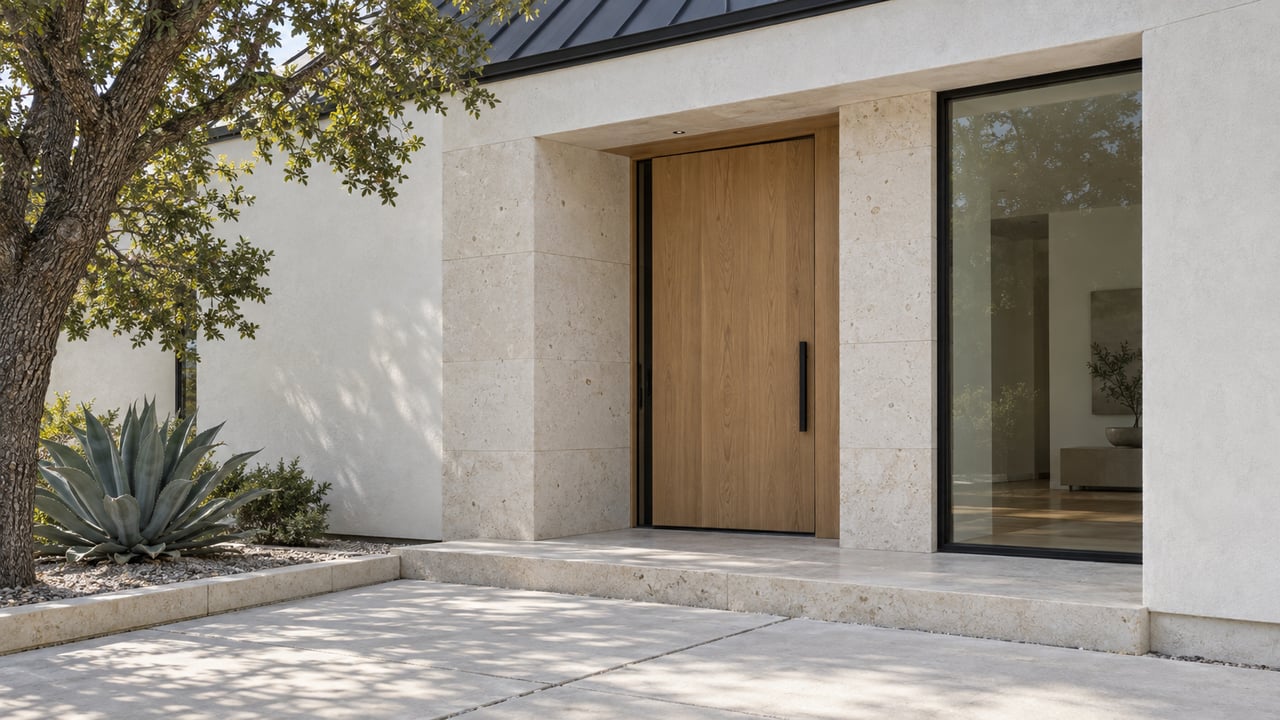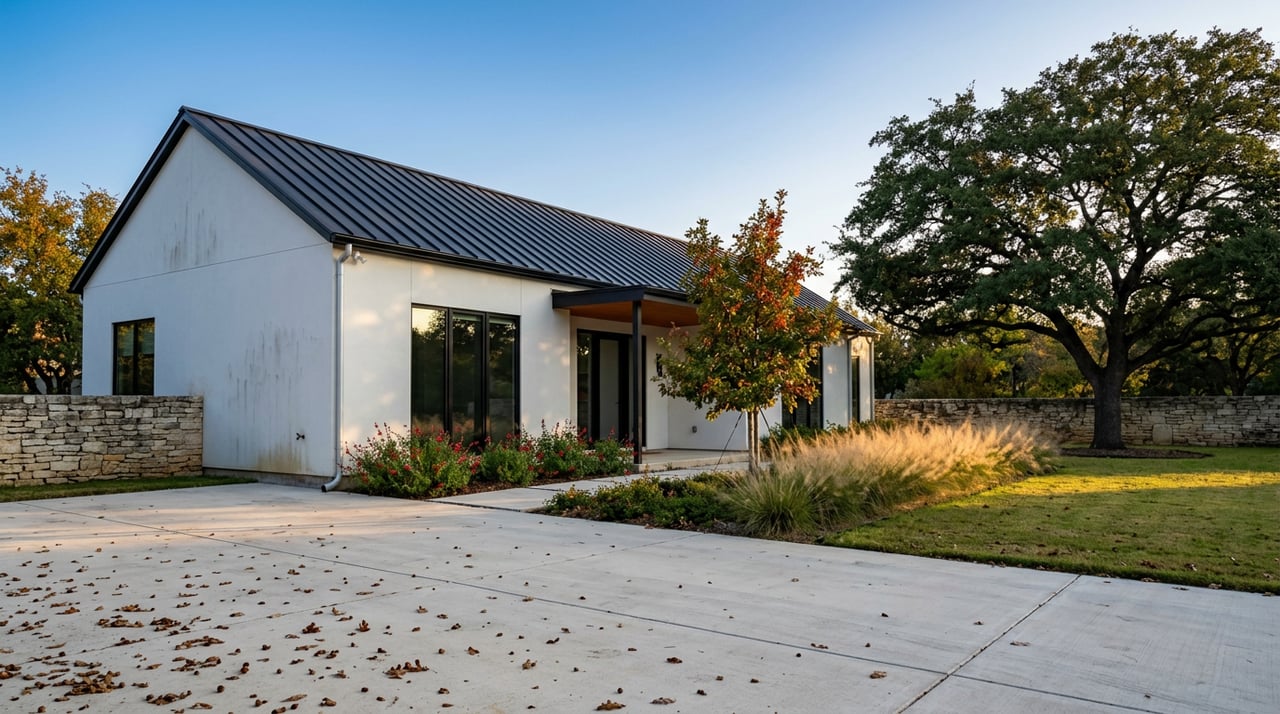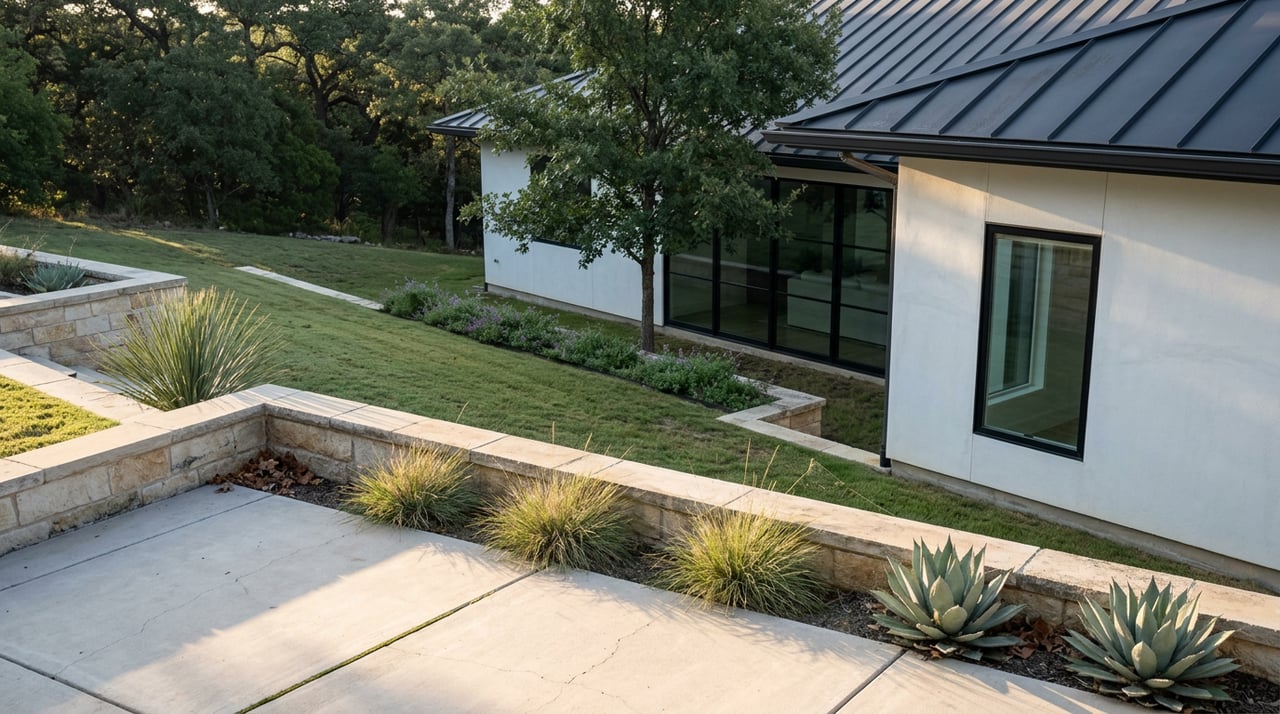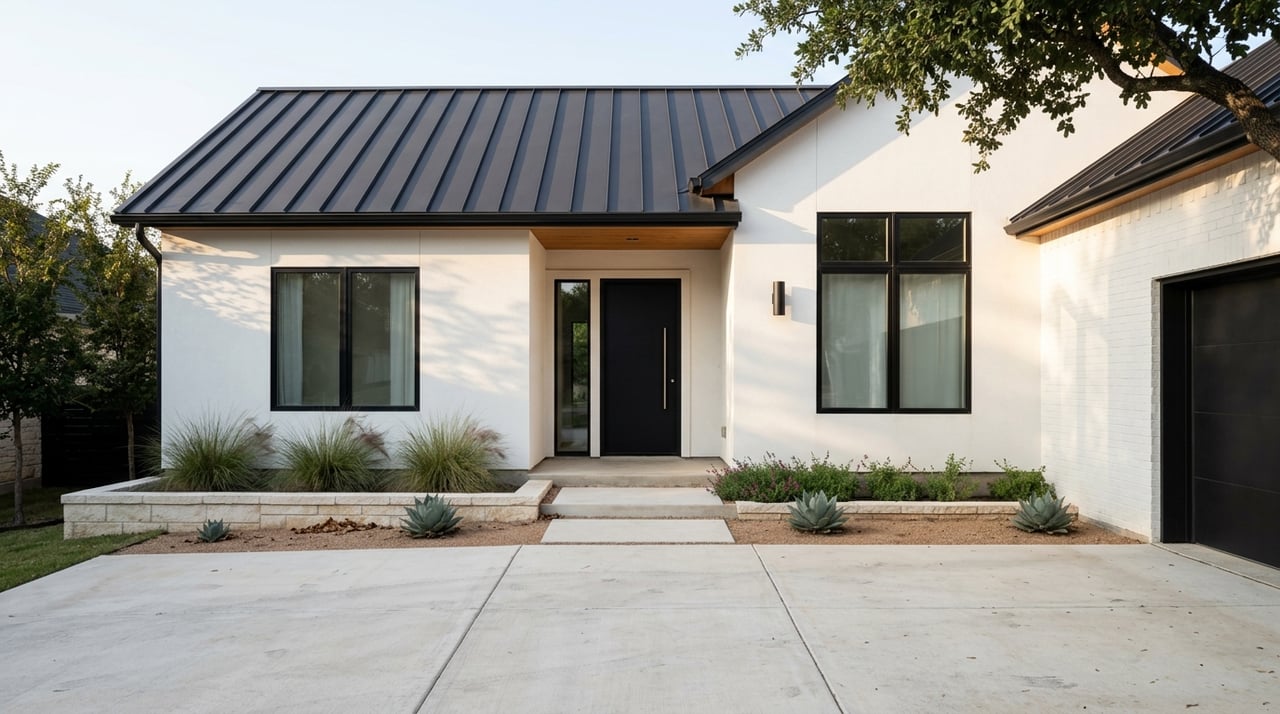
Thinking about building new in Westlake? It can be exciting to picture a home tailored to your style, but in 78746, new construction is rarely simple. Between steep lots, tree rules, drainage review, and permit timing, the path from idea to move-in can look very different from one property to the next. If you want a clearer picture of your options, the builder landscape, and what really affects timing, this guide will help you plan smarter. Let’s dive in.
What new construction means in Westlake
In Westlake, “new construction” can mean more than one thing. Some buyers are looking for a nearly finished spec home they can move into sooner, while others want a fully custom build designed around a specific lot and lifestyle.
That difference matters because the timeline, level of decision-making, and site risk can vary quite a bit. In a market like Westlake, where lots are often complex, understanding the type of project you are considering is one of the first smart steps.
Spec homes offer a faster path
A spec home is built by a builder before a buyer is in place. These homes are often further along in construction, and some are already complete or close to move-in ready.
For you, that can mean a shorter wait and fewer design decisions. The tradeoff is that customization is usually limited compared with a ground-up custom build.
Custom homes offer more control
A custom home is typically designed from scratch around the lot, the home plan, and your goals. Buyers usually have more input on layout, finishes, and how the home responds to the property.
That flexibility is a major draw in Westlake, where steep slopes, tree preservation, and drainage can shape the design from day one. It also usually means more time spent in planning, approvals, and construction.
Why Westlake new builds are different
Not every new-construction market is this site-sensitive. In West Lake Hills and the broader 78746 area, the lot itself often drives the process as much as the house plan does.
Local project coverage and city requirements point to the same reality: steep slopes, limestone bedrock, tight access, and strict work-hour limits can all affect construction. That means a home that looks straightforward on paper may take more coordination once the site is fully studied.
Terrain can change the build plan
In Westlake, some lots have significant grade changes or difficult topography. A steep homesite can influence driveway design, foundation work, drainage strategy, and even how crews and materials access the property.
Limestone bedrock is another local factor that can affect excavation and sequencing. These conditions are part of why custom building here often feels more like a one-off project than a repeatable formula.
Trees and drainage shape what is possible
Tree rules are a major part of the process in West Lake Hills. For new construction on an undeveloped lot, the city requires a tree survey of the entire property before permit issuance, showing all trees 3 inches or greater in diameter.
Drainage is also reviewed early. The city states that all construction projects are subject to stormwater management, and drainage plans are reviewed with the building permit application. On some lots, topography, impervious cover, and runoff planning can all affect what moves forward and how quickly.
Builder options you may see in Westlake
Westlake buyers typically come across both design-build firms and traditional custom builders. The right fit depends on how much support you want during lot evaluation, design coordination, approvals, and construction.
Several firms publicly market work in Westlake or West Lake Hills, including Wilde Custom Homes, McKay Vassaur, SDB+D, Mission Home Builders, and Olson Defendorf. This is not a ranking. It simply reflects the range of builder types active in the area.
Design-build firms can offer one team approach
Some firms handle more of the process under one roof. In the research provided, SDB+D publicly notes services that include land acquisition, infrastructure, municipal entitlement, variance work, OSSF, design, and construction.
For some buyers, that can create a more unified process from lot due diligence through build completion. This can be especially valuable in Westlake, where site and approval complexity often start well before construction begins.
Pure custom builders may be a fit for tailored projects
Other builders focus on high-end custom home construction with architect-led collaboration. Wilde Custom Homes and Olson Defendorf are examples of firms that publicly market custom work in Westlake Hills and nearby luxury areas, while Mission Home Builders notes the realities of hard limestone and tight lots in West Lake Hills.
When you compare builders here, portfolio style matters, but local process experience matters too. You want to understand whether the team has worked through similar site constraints, approvals, and project sequencing in Westlake.
Timing depends on approvals first
One of the biggest misconceptions about new construction is that timing starts when building starts. In Westlake, the clock often begins much earlier, with jurisdiction checks, surveys, design work, and permit preparation.
In West Lake Hills, all plan-review submissions go through MGO Connect. The city states that once an application is administratively complete, first-round comments can take up to four weeks.
Larger projects can take longer to permit
The city also notes that larger projects, including reconstruction or new construction, can take a few months or longer to permit. If a variance is needed, the review timeline can extend by another two to three months or more.
That extra time is one reason buyers should be careful about assuming a published build estimate covers the full path from lot purchase to move-in. In many cases, the pre-construction and approval phase is where the biggest schedule swings happen.
Variances add another layer
When a variance is required, the city says the request is first considered by ZAPCO, which meets on the third Wednesday of each month. If it moves forward to City Council, it goes to the first City Council agenda of the following month.
Some applications may instead go to the Board of Adjustment. Either way, a variance can add meaningful time and should be part of your planning from the start.
Lot due diligence matters before you buy
In Westlake, lot due diligence is not just a builder issue. If you are buying land or evaluating a teardown, understanding the property’s jurisdiction, constraints, and utility path can help you avoid expensive surprises.
A key early step is confirming whether the lot is inside West Lake Hills city limits or in the extraterritorial jurisdiction, also called the ETJ. The city states that ETJ properties can still be subject to subdivision rules along with county and utility-district requirements.
Check jurisdiction and utility path
Before moving forward, it helps to understand questions like these:
- Is the lot inside city limits or in the ETJ?
- Will the property connect to public wastewater, or will it require an on-site sewage facility?
- Are there slopes greater than 15 percent that may affect design or septic review?
- What surveys, contours, and drainage details will be needed?
These items can affect timeline, cost, and even what can be built.
Review impervious cover and setbacks early
West Lake Hills has setback rules that vary by zoning district and lot size. The city also states that single-family residential properties that are 0.5 acre or larger have a maximum of 25% impervious cover, while some smaller properties on central wastewater may qualify for an impervious-cover bonus under the code.
That is why early feasibility work matters so much. A lot may be highly desirable, but the actual building envelope and site limitations need to match your goals.
A realistic Westlake timeline
Every project is different, but the broad sequence tends to be similar. In Westlake, timing often depends on approvals, site conditions, and how early the right professionals are involved.
A realistic path usually looks like this:
- Confirm jurisdiction and basic lot feasibility
- Review surveys, topography, trees, drainage, and utility needs
- Schedule pre-application steps if required
- Prepare and submit for permit review through MGO Connect
- Respond to comments and address any variance needs
- Coordinate tree, drainage, wastewater, or septic requirements
- Begin construction after approvals and registrations are complete
- Move through inspections toward completion
Build time can still be substantial
For the construction phase itself, one Westlake-serving custom builder says most custom homes take 12 to 18 months depending on size, design complexity, and site conditions. In contrast, spec homes may move faster because they are often already near completion when they hit the market.
This is why buyers who want a near-term move often look at spec inventory first. Buyers who want a more tailored result usually need to plan for a longer runway.
Early coordination can reduce surprises
Local project coverage also shows the value of bringing the contractor in early. In one Westlake project, the architect and builder collaborated from day one to refine budget assumptions and solve for a difficult site.
That kind of coordination can be especially helpful here. In Westlake, the lot, the tree canopy, the slope, and the approval path all have a way of affecting the final plan.
What to keep in mind as you shop
If you are comparing a finished home, a lot, and a custom opportunity at the same time, it helps to look beyond price alone. In Westlake, the smoother opportunity is not always the one with the most dramatic vision.
Try to compare each option through a practical lens:
- How much customization do you really want?
- How quickly do you need to move?
- Is the lot likely to require a variance?
- Will trees, slope, or drainage add complexity?
- Does the builder have experience with Westlake site conditions?
- Are you comfortable with the approval timeline that may come with a custom build?
Those answers can help you choose the right path for your timeline, budget, and goals.
If you are planning a new construction purchase in Westlake, working with an agent who understands both the neighborhood and the building process can make a real difference. From evaluating lots to comparing builder approaches and setting realistic timelines, Jenny Walker can help you move forward with clarity and confidence.
FAQs
What counts as new construction in Westlake?
- In Westlake, new construction usually means either a spec home built without a buyer in place or a custom home designed and built around a specific lot and buyer.
How long does a custom home take in Westlake?
- The full timeline varies, but permit review can take months for larger projects, variances can add two to three months or more, and one Westlake-serving custom builder states that construction itself often takes 12 to 18 months.
Why do Westlake lots take more due diligence?
- Westlake lots can involve steep slopes, limestone bedrock, tree restrictions, drainage review, wastewater or septic questions, and jurisdiction issues that affect what can be built and how long it takes.
What should buyers check on a Westlake lot first?
- Buyers should confirm whether the lot is inside West Lake Hills city limits or in the ETJ, then review setbacks, impervious cover, tree requirements, drainage needs, and utility or septic path.
Are spec homes easier than custom homes in Westlake?
- Spec homes are often easier from a timing standpoint because they may already be close to completion, while custom homes usually involve a longer planning, permit, and construction process.
Do all Westlake new builds need tree and drainage review?
- Tree and drainage requirements are a major part of the process in West Lake Hills, and the city states that all construction projects are subject to stormwater management, with tree surveys required for new construction on undeveloped lots before permit issuance.