"This also helps us be able to operate throughout the fall and into the winter when we start doing our holiday events," Shawn Smith, owner of Austin Rental Boats and Lake Austin Lights, told FOX 7 after the City of Austin called off the 2026 drawdown. He put the number of jobs among the lake's businesses at "150 plus" and said "those jobs are saved now."
The city announced the cancellation on September 24, 2026, less than three weeks before the lake was set to start dropping. In late summer we wrote about what this fall's drawdown was really for. That plan is off. The reason is more interesting than a schedule change. Lake Austin's maintenance calendar has run out of room, and October through December is now the stretch of the year that the lake's economy and its upkeep both need.
Every window the city looked at was already spoken for
The original plan, announced August 20, had LCRA lowering the lake by about 10 feet between Mansfield Dam and Tom Miller Dam from October 12 through November 30. The water would come down no more than about a foot a day and settle at 481.8 to 482.8 feet above mean sea level. Refill would start November 24. Over the following five weeks, city staff tested three windows and dropped all three:
- October 12 to November 30. Stakeholders raised the fall wedding season, UT football, and Formula 1.
- December 1 to January 15. LCRA offered this option in mid-September. It solved some problems and created new ones for holiday activities and seasonal businesses.
- January and February 2027. This is the window many longtime owners remember and wanted again. LCRA has ruled it out. Since Winter Storm Uri in 2021, the agency no longer lowers lakes in winter, so the hydroelectric generators on the Highland Lakes dams stay available to the Texas power grid during cold months.
That third item explains the whole situation. LCRA's August announcement said it "now conducts planned drawdowns in the fall." Once winter came off the table, the drawdown landed in the same months that the lake's operators described as their best.
The numbers they gave were large. Before the cancellation, Lake Austin Marina manager Tara Carr told FOX 7 the marina sells seven to nine times more fuel in October and November than in January and February. Float On Boat Rentals owner David Callejas estimated hundreds of thousands of dollars in lost revenue and about 20 jobs at risk. Austin Riverboats captain John Wolters told KVUE the company had already canceled six weddings and put the disruption at "solid six figures."
The city's stakeholder group met on September 22. Its members split roughly evenly between moving to the December window and canceling. None of them favored the original fall dates. Two days later, the city decided neither remaining option struck "the appropriate balance."
What October and November on the water look like now
For anyone who just uses the lake, the cancellation puts fall back to normal, with one exception at Emma Long.
- Public boat ramps stay open. The August plan would have closed every public ramp on Lake Austin for the whole drawdown.
- Swimming at Emma Long Metropolitan Park stays open. That plan would also have banned swimming there through November.
- Docks keep their water. Boats can stay in their slips, so nobody has to move them for seven weeks. Carr had been working through that question with all 168 occupants at Lake Austin Marina before the plan changed.
- The holiday season on the water goes ahead. Smith specifically mentioned his holiday events running into winter. A December 1 start would have overlapped with them.
The exception is at City Park Road. Emma Long's water utilities shut off on October 12, 2026, and should stay off until January 15, 2027. Portable toilets will be on site for day use and camping. Showers, sinks, water fountains, and hose bibs will be unavailable. This is the city's own maintenance project and was never tied to the drawdown, so it continues. Anyone heading out after a weekday paddle or for a cool-weather campout should bring their own water.
The park's other routines stay the same. It's open 7 a.m. to 10 p.m. year-round, holds 250 cars, and sells day passes online for Fridays through Sundays and holidays. Walk-ins are accepted until passes sell out or the lot fills. Shoreline trips farther upstream, like the ones in our Lake Austin boating guide, go on as usual.
The dock window is what went away
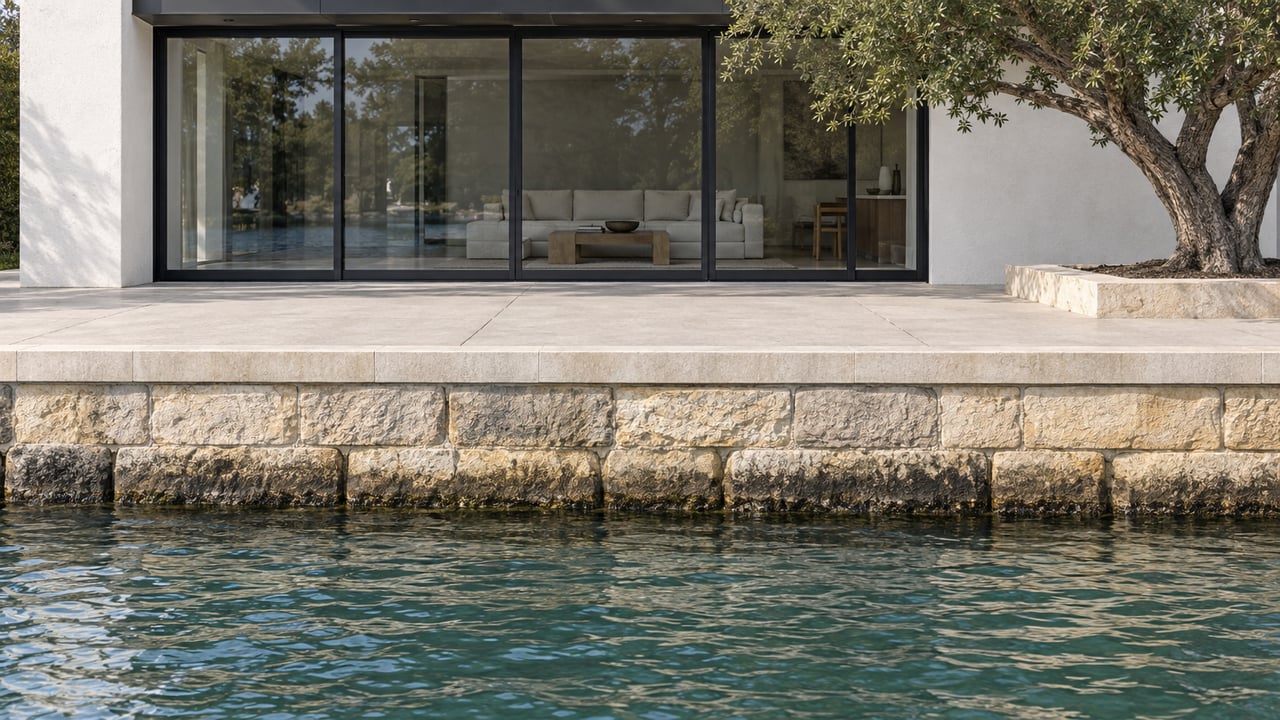
The fall businesses got their season back, and shoreline owners lost their work window. A 10-foot drop exposes the lakebed under docks, bulkheads, and boat slips, so crews can repair structures, dredge slips, and clear debris without working underwater. As FOX 7 put it, "Dock repairs still can't happen."
The permit shortcut built for this fall is gone too. Austin Development Services had created a special Site Plan Exemption form for minor dock and bulkhead repairs during the drawdown. The city's boat-dock page now says it will no longer accept that form. Staff will contact anyone who already applied about next steps. The September 24 memo says the city will work with each applicant on whether to go ahead with the permit or request a refund. KVUE reported that some projects with permits already in hand may still go forward.
Without the special form, the standard process applies. Construction on, under, or next to the water needs an approved site plan or site plan exemption before you can apply for the building permit. The ordinary exemption category covers simple dock redecking and certain limited repairs to existing structures and bulkheads. Bigger changes and new construction generally need a full site plan permit. Questions go to Site Plan Communications at 512-978-4691 or [email protected].
From a builder's point of view, the lost year changes what's feasible more than what's allowed. Redecking and above-water repairs can still be done from the dock. Work at the base of a bulkhead or a sediment-filled slip was what the low water was going to make easy. That work now waits for a future drawdown or for crews and methods that can do it at full lake level.
Hydrilla runs on a different calendar
Carr also raised a concern shared by many owners, about "how it's come back post the flooding events from this summer and what that's going to look like without the drawdown." Smith said the same: "It's not time to celebrate. There's still a major hydrilla issue out on the lake."
The most recent public survey shows how uneven the problem is along the lake. Texas Parks and Wildlife's June 2026 count found 575 acres of hydrilla, down from 592 in February. Eurasian watermilfoil rose from 58 acres to 75, so the combined footprint stayed about the same. By section:
- Mansfield Dam to Lake Austin Spa. The upper five miles are still thick with hydrilla from bank to bank, with a small increase in milfoil.
- Commons Ford Park to Emma Long. The middle of the lake generally has little hydrilla, with small patches of milfoil along some banks.
- Ski Shores and Bull Creek. Hydrilla dropped noticeably around Ski Shores and increased where Bull Creek enters the lake.
Those figures are from June and predate the summer flooding Carr mentioned. As of early October we have not found a published fall survey.
The drawdown also had less to do with hydrilla than its reputation suggests. The city's Lake Austin page says hydrilla roots survive drawdowns and can grow back. Herbicides aren't allowed in Lake Austin because chemicals could reach public and private drinking-water intakes. The city's main long-term tool is sterile grass carp. On May 1, 2026, it released 2,790 of them, raising its stocking rate from five to eight fish per acre of hydrilla. A July 20 memo said staff would likely ask for another fall stocking after reviewing the fall survey. That was a forecast, and no release has been confirmed. City staff have said the carp take time to make a difference.
For a single shoreline, the city recommends localized removal by a contractor as temporary relief. Removing hydrilla across the whole lake isn't practical, and contractor work needs TPWD authorization. The canceled drawdown doesn't change that option.
What a future drawdown would need
The city has not set a new date. Assistant City Manager Mike Rogers said staff will keep weighing "economic, operational, environmental and community considerations" and stay in contact with LCRA and lake stakeholders. The same constraints will apply next year. Winter is still closed, fall is still the lake's busiest season, and the December option has already run into the holidays once. Smith's request was for advance warning: "We're hoping that next year and the further drawdowns that will happen in the future will happen in a timely matter where we have proper notice."
Until then, Lake Austin stays at its constant level through the fall and holiday season, and any shoreline repair or hydrilla work happens with the water at full height. If you own on Lake Austin and your dock or bulkhead project just lost its window, Jenny's construction background can help. We're glad to talk through which repairs can be done at full lake level, which ones should wait for a future drawdown, and how that timing affects a future sale. Reach out to Jenny Walker and the Lux Austin team, and start with a Home Valuation & Westlake Guide.