What It's Really Like Living in West Austin: Commute, Lifestyle, and Daily Life
The specs are easy to find. This is what the listings don't tell you.
Most people who move to West Austin already know the highlights before they arrive: the schools, the hills, the proximity to downtown, the lake. What takes longer to understand is how all of it actually feels day to day. The rhythms. The trade-offs. The things that end up mattering more than you expected.
This is the honest version of that story.
The Commute: Closer Than It Looks, Trickier Than It Sounds
West Austin's position relative to downtown Austin is genuinely good. From most of Westlake Hills, West Lake Hills, and the neighborhoods along Loop 360 and Bee Cave Road, downtown is 10 to 20 minutes on a clear run. That distance is real, and it holds off-peak, on a weekend, or during a school holiday, West Austin is one of the easiest parts of the metro to move through.
Peak hours are a different conversation.
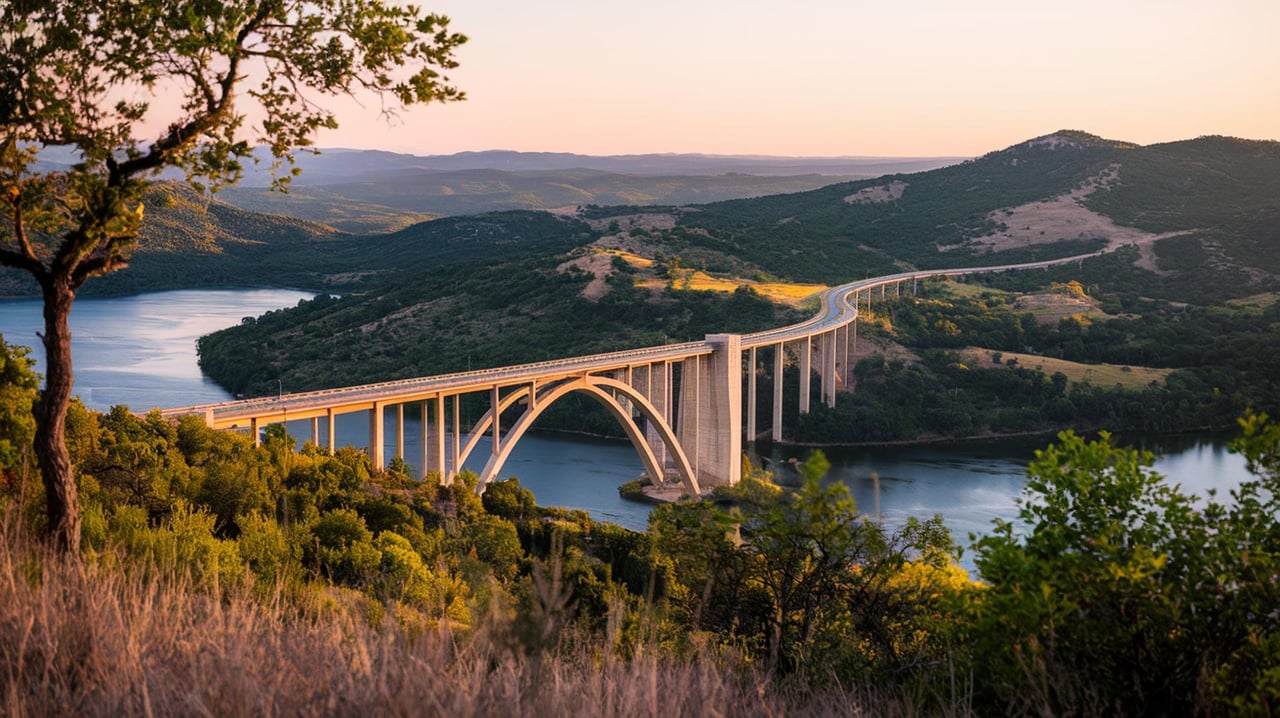
MoPac is the primary north-south artery connecting West Austin to downtown and the rest of the city. During morning rush hour, roughly 7:30 to 9:00 a.m., and the afternoon window from 4:30 to 6:30 p.m., that commute can stretch from 20 minutes to 45 or more depending on the direction and day. Wednesday and Thursday afternoons tend to be the worst. Loop 360, which runs north-south through the hills of West Austin, is scenic but can slow significantly during peak hours and adds time for anyone trying to cut across to other parts of the city.
The MoPac express lane gives you a paid option during peak windows, a dynamic toll that functions as a live indicator of how bad traffic is. When prices climb above a dollar and a half, you know it is going to be a slow afternoon regardless of which route you take.
The practical reality that most West Austin residents figure out quickly: timing matters more than route. Shifting your commute by 30 minutes in either direction, leaving before 7:00 or after 9:30, or leaving work before 4:00 or after 6:30, can cut your commute time by 20 to 40 minutes. Many residents structure their days around this. It becomes second nature faster than you'd expect.
Public transit is limited in this part of Austin. Essentially everyone drives. If a car-free lifestyle is important to your daily routine, West Austin is probably not the right fit. If driving is fine and you have some flexibility in how you time your day, the commute is genuinely manageable and significantly better than what most people deal with from Round Rock, Cedar Park, or anywhere on the I-35 corridor.
For context: residents commuting from Round Rock or Cedar Park to downtown during peak hours are looking at 50 to 75 minutes each way. From West Austin's core neighborhoods, that number is typically 20 to 35 minutes, even accounting for traffic, which is a meaningful difference in how a workday feels.
The Schools: Not Just Good. Actually Different.
Eanes ISD is the reason a significant percentage of West Austin buyers are here. It is consistently ranked among the top school districts in Texas, and Westlake High School in particular has been recognized nationally for academic performance and college preparation.
But what is harder to convey in rankings is how much the school system shapes the texture of daily life here. Pickups, drop-offs, Friday night games, school events, the calendar of Eanes ISD becomes the social calendar of the neighborhood in a way that is hard to fully appreciate until you are living it. It creates a built-in community structure that many families find genuinely valuable, especially if they are relocating from out of state and building social connections from scratch.
Where you live within Eanes ISD matters. School assignments vary by address, and being in the right feeder pattern affects both your daily logistics and in some cases, resale value down the line. It is worth verifying specific school assignments, not just the district, for any property you are seriously considering.
Daily Life: What You Actually Do
West Austin is a residential area first. It is not a neighborhood where you walk to coffee shops and bars, it is one where you drive, and the payoff is space, quiet, and scenery. That trade-off suits most people here perfectly. It occasionally surprises the ones who did not think it through before they moved.
The everyday infrastructure is solid. Along the Loop 360 and Bee Cave Road corridors you have H-E-B, Trader Joe's, specialty grocery, boutique gyms, coffee, restaurants, and the kinds of errands that take up a normal week. The Village at Westlake, Davenport Village, and the Hill Country Galleria cover most of what people need without leaving the west side. For anything more specialized, higher-end retail, entertainment, a specific restaurant, downtown Austin is 15 to 20 minutes away off-peak, which is close enough that it does not feel like a trip.
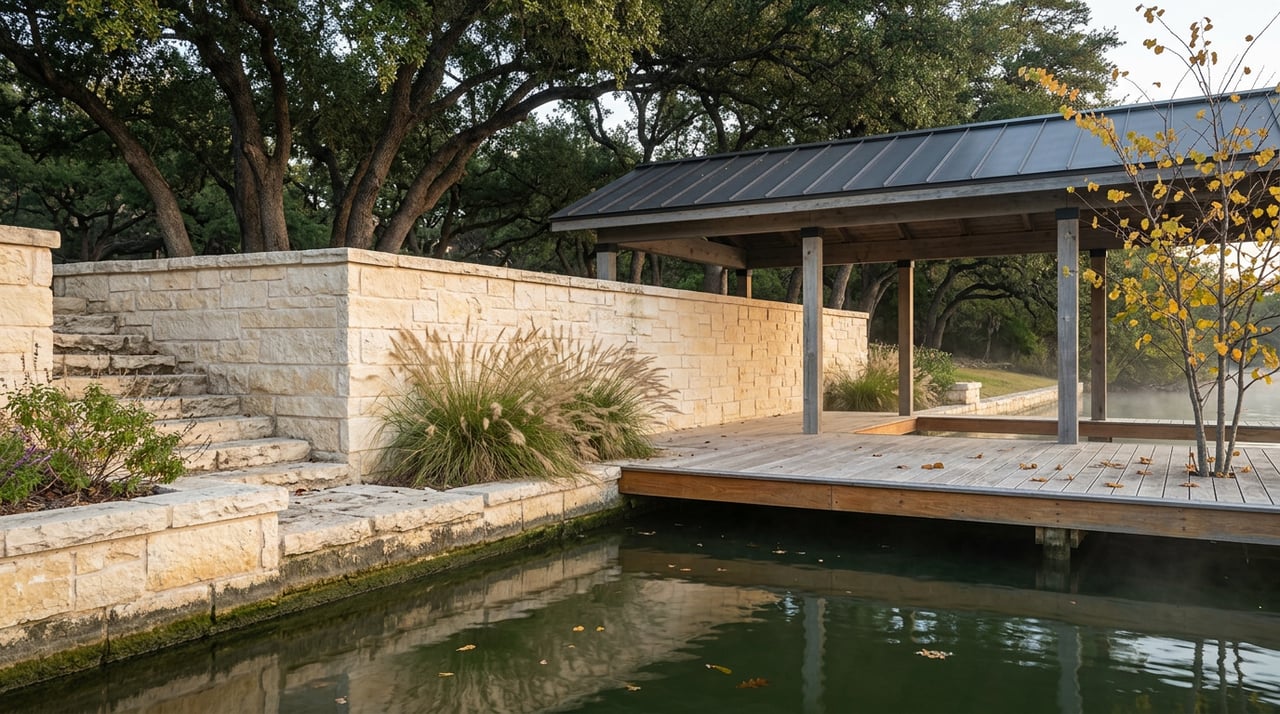
The outdoor access is genuinely part of daily life, not just a weekend thing. Barton Creek Greenbelt trailheads are minutes from most Westlake neighborhoods. Lake Austin is practically in the backyard for parts of the corridor. Wild Basin Wilderness Preserve is a 10-minute drive. For families and individuals who build outdoor time into their routine, West Austin makes that extremely easy to do without planning around it.
The community feel is something people consistently mention after they have been here a while. West Austin is a neighborhood in the real sense, people recognize each other, kids grow up together through school, and the social fabric tends to be tighter than in more transient parts of the city. It is not a neighborhood where you can stay anonymous for long, which most residents consider a feature rather than a bug.
What People Don't Expect
A few things consistently catch newcomers off guard:
The roads are beautiful and occasionally annoying. The winding hill country roads that make West Austin scenic are also the reason GPS sometimes struggles and why a "10-minute drive" can mean something different than it does in a grid-based neighborhood. Learning the backroads, which cuts work, which ones bottleneck, takes a few months and then becomes second nature.
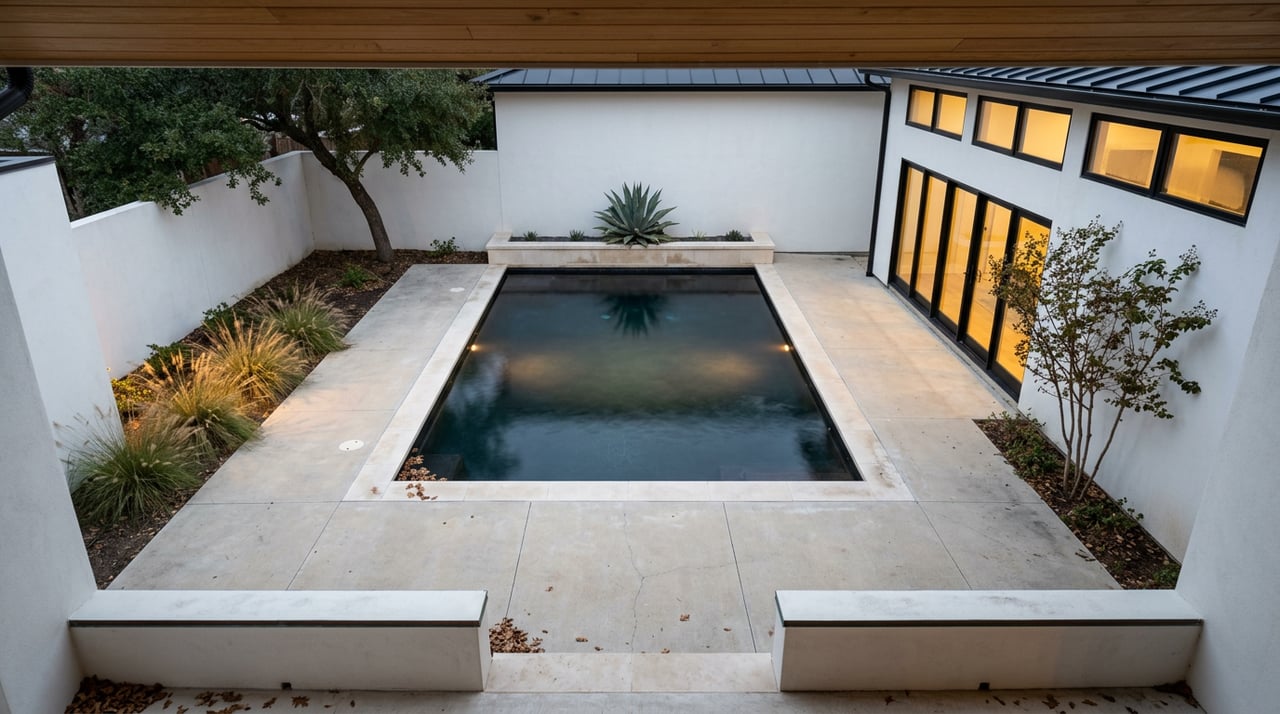
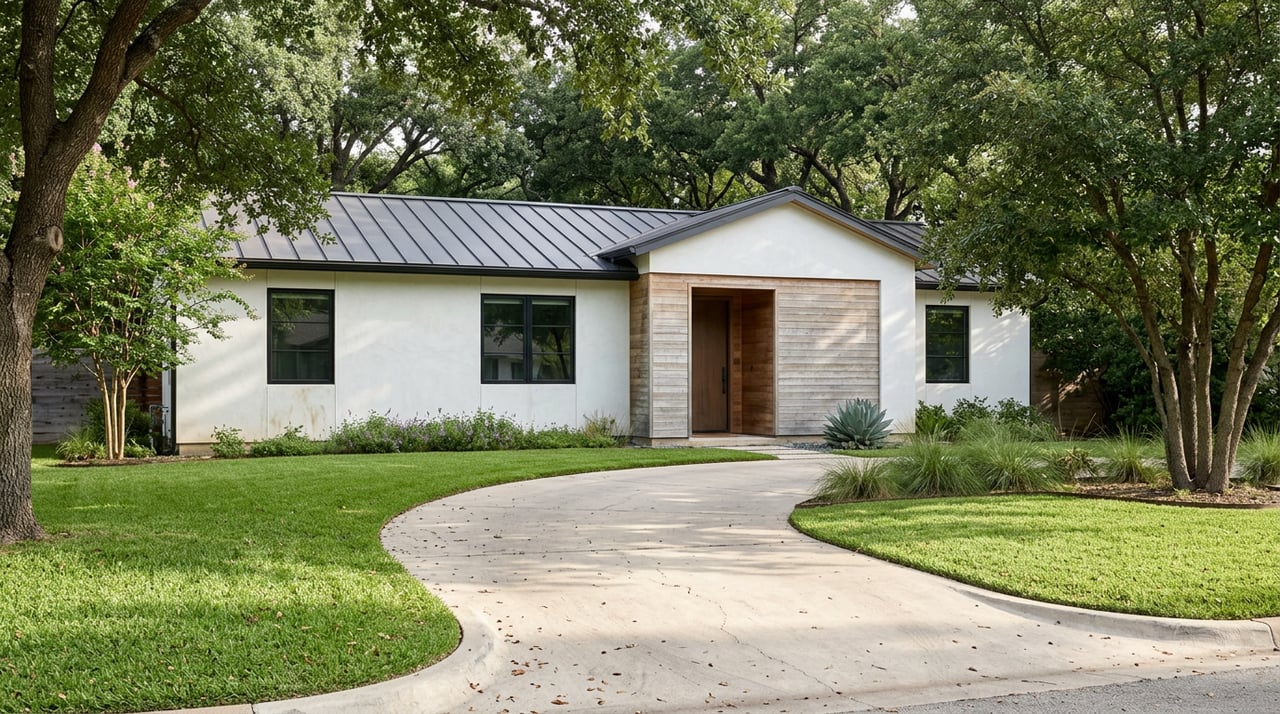
Home life becomes more central. This is a neighborhood where the home is the hub. Yards, pools, outdoor living spaces, these get used in West Austin in a way they might not in a more urban setting. People invest in their properties and they spend time in them. If you are used to a lifestyle that is mostly external, restaurants, bars, walkable streets, the adjustment is real.
It does not feel like living in Austin. That might sound like a criticism. For most West Austin residents, it is the entire point. The city is right there when you want it. When you come home, it genuinely feels like somewhere else, which is exactly what they moved here for.
Is West Austin Right for You?
If you are relocating and trying to decide whether West Austin fits your life, here is the honest version of the calculation:
It works well if you have kids in or approaching school age and Eanes ISD is a real priority. It works well if you want a quieter, more neighborhood-oriented lifestyle without sacrificing access to the city. It works well if you have some flexibility in when you commute, or if you work from home part of the week.
It is harder if you want to walk or bike to daily life, if you need downtown access multiple times a day on a tight schedule, or if you are drawn to the more urban, dense energy of central or east Austin.
For most families relocating to Austin who are looking for a long-term home rather than a transitional one, West Austin tends to stick. People move here planning to stay a few years and end up staying much longer. That pattern is not an accident.
If you want to talk through how your specific situation maps to specific neighborhoods within West Austin, how the commute actually works from different parts of the corridor, what school zoning looks like for properties you are considering, or what daily life feels like from block to block, Jenny Walker and Alisa Wells of the Walker Wells Group can walk you through it in a way that no listing description will.
FAQs
How long is the commute from West Austin to downtown?
- Off-peak, most West Austin neighborhoods are 10 to 20 minutes from downtown Austin. During peak morning and evening hours, that can stretch to 30 to 45 minutes depending on the route and timing. MoPac is the primary route and has express toll lanes as a paid option during congested windows.
Is West Austin walkable?
- No. West Austin is car-dependent. Almost all daily errands and commutes require driving. The trade-off is space, scenery, and access to trails and outdoor amenities that do not exist in walkable urban neighborhoods.
What school district serves West Austin?
- Most of the core West Austin corridor, including Westlake Hills, West Lake Hills, and surrounding neighborhoods, is served by Eanes ISD, one of the top-ranked school districts in Texas. School assignments vary by address, so it is worth verifying the specific feeder pattern for any property you are considering.
What is the vibe in West Austin?
- Residential, community-oriented, and outdoorsy. West Austin is quieter and more family-focused than central or east Austin. The community tends to be tight-knit, with a lot of social life organized around schools, sports, and neighborhood events.
Is West Austin worth the commute?
- For most families, yes, especially compared to suburbs further out like Round Rock or Cedar Park that have longer commute times and fewer amenities nearby. The key variable is timing flexibility. People who can shift their commute outside peak hours find the trade-off very manageable.